
Achieving Technical Balance in Autumn Pastry: Pairing Chocolate, Nuts and Seasonal Fruits

The arrival of autumn marks a change of pace in the pastry kitchen. As we move away from the freshness and acidity of summer creations, we turn to more comforting, indulgent and complex flavours, where chocolate, nuts and seasonal fruits such as figs, pears, pumpkin and late-season berries take centre stage.
However, incorporating fresh fruit or nuts into pastry recipes brings several technical challenges. Among the most important are controlling free water, preventing moisture migration into baked components and managing fat balance when working with pralines.
In this article, we explore how to create balanced flavour pairings, improve shelf life and maintain consistency when working with chocolate, nuts and seasonal fruits in professional pastry applications.
How to Control Moisture in Ganaches and Seasonal Fruit Fillings
Seasonal fruit provides exceptional flavour contrast, but it also introduces a significant amount of free water into the preparation.
- The challenge in the pastry kitchen (moisture migration): When a compote or moist filling comes into contact with a sablé or baked pastry base, water migrates into the pastry, causing it to lose its firmness and crispness within just a few hours on display.
- Technical solution: Create a lipid barrier by coating the baked base with Chocovic Cocoa Butter or a tempered low-viscosity chocolate couverture. Another option is to incorporate the fruit purée into a well-balanced whipped ganache.
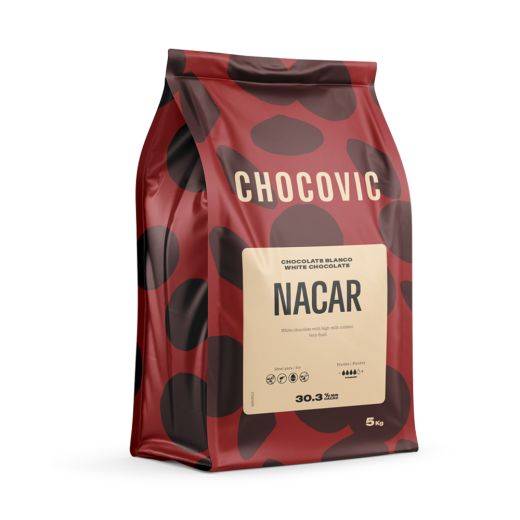
- The role of white chocolate (Nacar 30.3%): Chocovic Nacar White Chocolate is an ideal technical partner for acidic or astringent fruits such as figs and raspberries. Thanks to its balance of milk solids and cocoa butter, it provides creaminess without overpowering the fruit flavours.
- Technical tip: When preparing a ganache, always calculate the Brix value (sugar content) of the fruit purée and adjust the amount of glucose syrup or invert sugar accordingly. This helps prevent premature crystallisation and ensures a smooth, elastic texture at serving temperature.
How to Use Pralines and Nuts in Pastry Recipes
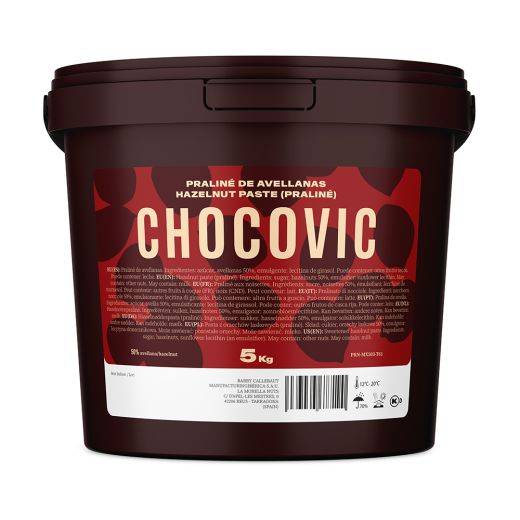
Almonds, hazelnuts and walnuts are essential ingredients in autumn pastry recipes. Incorporating them through Chocovic Hazelnut Praliné (50%) or Chocovic Almond and Hazelnut Praliné adds depth of flavour and richness to a wide range of pastry applications. However, nuts contain fats that remain liquid at room temperature and do not crystallise like cocoa butter, which can affect the final texture and firmness of the product.
Effect of Fat | |
|---|---|
| Nut fats | Non-crystallisable. Remain liquid at room temperature. |
| Pralinés and nut pastes | Do not crystallise at room temperature. |
| Cocoa butter | Crystallises into a stable crystal structure, contributing firmness. |
| Chocolate couverture | Provides firmness and structure. |
How to Incorporate Praliné into Brownies and Sponge Cakes Without Losing Texture
In baked creations such as brownies or dense autumn sponge cakes (for example, the Maragda 70% Pecan Chocolate Brownie: replacing part of the butter or oil with almond praliné increases the proportion of fats that do not contribute to structure once cooled.
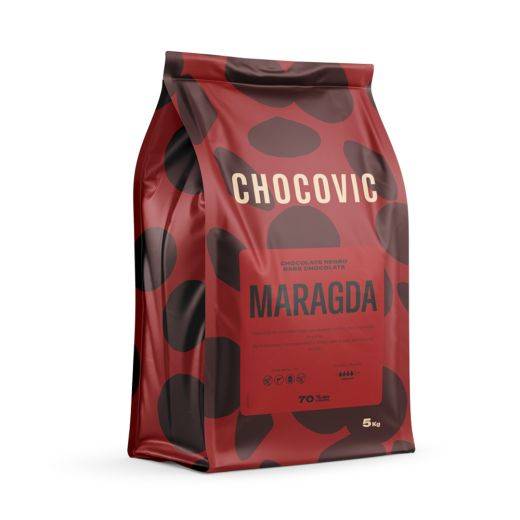
Technical adjustment: To compensate for this loss of structure without making the batter too firm, select a dark chocolate couverture with a high cocoa content and intense bitter notes, such as Chocovic Maragda 70%. The cocoa butter and cocoa solids in Maragda provide the necessary structure after baking, while its intense cocoa profile helps balance the sweetness of the recipe.
Dark Chocolate Pairings with Matcha Tea, Spices and Nuts
Professional pastry chefs are increasingly looking to differentiate their creations by reinterpreting classic recipes with on-trend flavour combinations, such as spiced doughs, Maragda 70% Matcha Chocolate Brownie or puff pastries infused with botanical flavours.
Pairing a bold dark chocolate with earthy or spicy ingredients such as matcha tea, ginger or cardamom requires careful control of both temperature and couverture fluidity.
Why Choose Maragda 70% for Botanical and Bitter Notes?
- Sensory profile: Maragda 70% stands out for its intense roasted cocoa flavour balanced by an elegant touch of acidity. This subtle acidity helps lift the earthy notes of matcha tea and complements the slightly bitter roasted character of nuts such as pecans.
- Fluidity and crystallisation: Its fluidity level allows chefs to create thin chocolate shells and crisp layers, such as praline feuilletine, delivering a clean snap and crisp texture that are essential in individual pastry creations.

The following guide summarises the technical interaction between Chocovic couvertures, pralines and seasonal ingredients to support recipe development in the artisan pastry kitchen
| Couverture / Specialty | Autumn pairing | Technical Function in the Pastry Kitchen | Recommended application |
|---|---|---|---|
| Nácar 30% (White Chocolate) | Figs, berries, roasted pumpkin, vanilla | Balances acidity while providing body, emulsification and creamy dairy notes | Whipped ganaches, light mousses, display-case tarts |
| Maragda 70% (Dark Chocolate) | Pecans, matcha tea, autumn spices, pears | Contributes structure after baking and helps balance bitterness | Brownies, sponge cakes, intense mousses and glazes |
| Almond and Hazelnut Praliné | Dark or milk chocolate, caramelised apples, cinnamon | Enhances creaminess and provides a low melting point for a smooth melt-in-the-mouth texture | Bonbon fillings, crunchy inserts (feuilletine) and pastry creams |
Developing recipes for the autumn season is not simply about introducing new flavours. It also requires adapting the behaviour and stability of pastry creations to seasonal conditions.
Working with technically reliable couvertures such as Nacar 30.3% and Maragda 70%, together with the Chocovic praline range, helps pastry professionals shorten development times in the pastry kitchen, ensure optimal shelf life on display and standardise production processes while maximising profitability.
Key Considerations for Autumn Pastry
-
Why is moisture control important when working with seasonal fruit?
Seasonal fruits bring freshness, flavour and acidity to pastry creations, but they also introduce free water into the recipe. If not properly managed, moisture migration can affect texture, reduce crispness and shorten shelf life, particularly in tart shells, sablés and other baked pastry components.
-
How can a ganache help improve stability in fruit-based creations?
A properly balanced ganache helps stabilise the relationship between water and fat within a recipe. This helps improve texture, reduce moisture migration and extend the shelf life of pastry creations containing fruit, pralines or fillings. It also helps achieve more consistent results in production.
-
What challenges do pralines present in pastry recipes?
Pralines bring flavour, texture and added value to bakery and pastry creations, but they also introduce fats from nuts. These fats behave differently from cocoa butter and can affect the structure, texture and stability of a recipe. A balanced recipe is essential to maintain the final quality of the product.
-
Which seasonal fruits pair best with chocolate?
Ingredients such as figs, pears, late-season berries and pumpkin offer excellent pairing opportunities with chocolate. Depending on the desired flavour profile, they can be combined with white, milk or dark chocolate to create desserts, tarts, bonbons and seasonal creations that are balanced and appealing to consumers.
-
How can the shelf life of autumn pastry products be improved?
Shelf life depends on several factors, including water activity, ingredient selection and the balance between moisture and fat. Proper management of these elements helps maintain texture, stability and sensory quality for longer periods while reducing waste and product losses.
-
Why is fat balance important in recipes that include nuts and pralines?
Nuts and pralines contain natural oils that directly influence the texture and consistency of a creation. Balancing these fats with ingredients such as chocolate and cocoa butter helps achieve more stable structures, better results on display and a more balanced eating experience.
-
How can a well-balanced recipe improve profitability in the pastry kitchen?
An optimised recipe helps improve stability, reduce waste, streamline production and maintain consistent quality in the finished product. A well-balanced technical approach supports process standardisation, reduces product losses and improves efficiency, helping pastry professionals maximise profitability.
-
What advantages do chocolate, fruit and nut pairings offer?
The combination of chocolate, seasonal fruits and nuts creates complex and balanced flavour profiles while adding value to the assortment. These pairings create opportunities to develop distinctive creations that align with seasonal trends and respond to evolving consumer expectations.
Comments